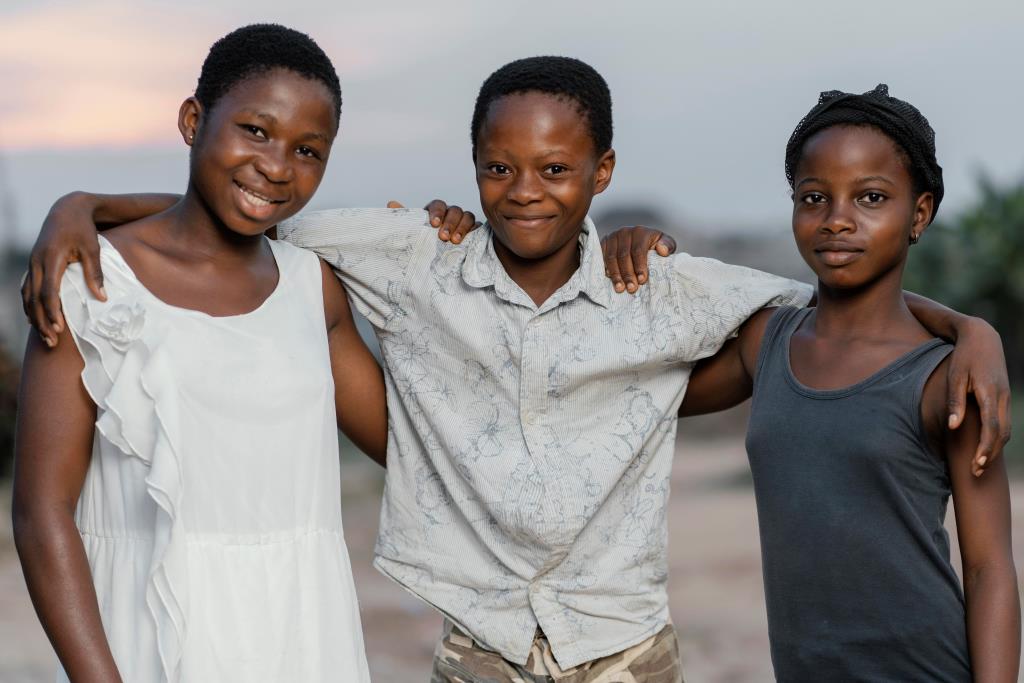
Every year on June 16, Africa commemorates the Day of the African Child, a solemn yet powerful reminder of the courage, resilience, and rights of children across the continent.
This day traces its origin to the tragic events of June 16, 1976, when thousands of school children in Soweto, South Africa, marched peacefully to demand quality education—only to be met with brutal violence, resulting in the deaths of many young lives.
Today, the Day of the African Child stands not only as a memorial but also as a continental call to action—to safeguard the dignity, protection, education, and future of every African child.
Children in War Zones: The Silent Victims
Across Africa and beyond, children continue to bear the heaviest burden of armed conflicts. They are killed, displaced, abducted, or forced into roles they should never experience—fighters, laborers, or even human shields.
Reports indicate that tens of thousands of grave violations against children have been recorded in conflict-affected regions, including killings, sexual violence, and denial of education.
War strips children of:
• Safety and family structure
• Access to education
• Psychological stability
• Hope for the future
Instead of classrooms, many encounter battlefields. Instead of dreams, they face trauma.
Nigeria: A Nation Where Childhood is Increasingly Under Threat
In Nigeria today, the situation of children reflects a deeply troubling reality shaped by insecurity, poverty, and conflict.
1. Kidnappings and School Attacks
Recent events show a dangerous escalation in attacks on schools:
• Armed groups have abducted dozens of schoolchildren in coordinated raids.
• Some victims are as young as two years old, highlighting the indiscriminate nature of these crimes.
• Families are left devastated, with parents crying out: “We want our children back.”
Schools, once safe havens, are increasingly becoming zones of fear.
2. Children as Collateral Damage in Conflict
Military operations and armed clashes have also led to tragic civilian casualties:
• Airstrikes and violent confrontations have reportedly killed and injured children in affected communities.
• Displacement continues to rise, forcing millions—including children—into unsafe living conditions.
3. Long-Term Impact of Insurgency
The prolonged insurgency in parts of Nigeria has:
• Displaced millions of families
• Exposed children to recruitment by armed groups
• Destroyed educational infrastructure
4. Child Labour and Lost Futures
Beyond conflict, economic hardship forces many children into labour:
• Millions of Nigerian children are out of school.
• Many work in hazardous environments just to survive.
This represents a different kind of war—a war against opportunity and dignity.
A Moral and Continental Responsibility
The Day of the African Child must go beyond speeches. It must inspire urgent and sustained action:
Governments must:
• Strengthen security around schools and communities
• End impunity for crimes against children
• Invest in education and child protection systems
Communities must:
• Speak out against violence and exploitation
• Support vulnerable families and displaced children
International organizations must:
• Provide humanitarian support
• Hold perpetrators accountable
• Amplify the voices of affected children
Conclusion: Every Child Matters
The African child is not a victim by design but a leader in potential. Yet, that potential is being crushed in conflict zones and fragile environments.
On this Day of the African Child, we must ask ourselves:
“What kind of Africa are we building if our children cannot live, learn, and dream in safety?”
Let this day renew our collective commitment to ensure that:
• No child is caught in crossfire
• No child is denied education
• No child is forgotten
Because the future of Africa is not ahead of us—it is already here, in the lives of its children.
By Mrs. Bola Adekunle-Carew
National Focal Person
West African Women Association (Nigeria Chapter)